0%

Choosing among China’s best Double Deep Pallet Racking manufacturers takes more than comparing prices. This storage system places pallets two positions deep, increasing storage density while reducing direct access to each pallet. It can suit warehouses holding several pallets of the same product. But it is not ideal for every inventory pattern.

A practical evaluation starts with the warehouse itself. Measure aisle widths, clear heights, pallet dimensions, and floor conditions. Then check whether the proposed layout works with the reach trucks and handling processes already in use. Small details matter. A few centimeters can affect clearance and safe operation.

Reliable manufacturers should provide clear design drawings, load calculations, component specifications, and installation guidance. Ask how beams, uprights, and safety accessories are selected for your stated loads. Request examples of comparable projects, and verify references where possible. A polished brochure is not proof of performance.

Communication matters too. Can the supplier explain technical choices in plain language? Are drawings and quotations consistent? These questions reveal more than a low unit price. Still, one comparison can be misleading: project scope, steel grade, coatings, delivery, and after-sales support may differ. Buyers should compare like for like.

This guide examines manufacturer capabilities, product quality, customization, and service. It also considers trade-offs, including reduced selectivity and the need for compatible equipment. There is no universal winner. The right choice depends on actual warehouse conditions—and those deserve careful checking.
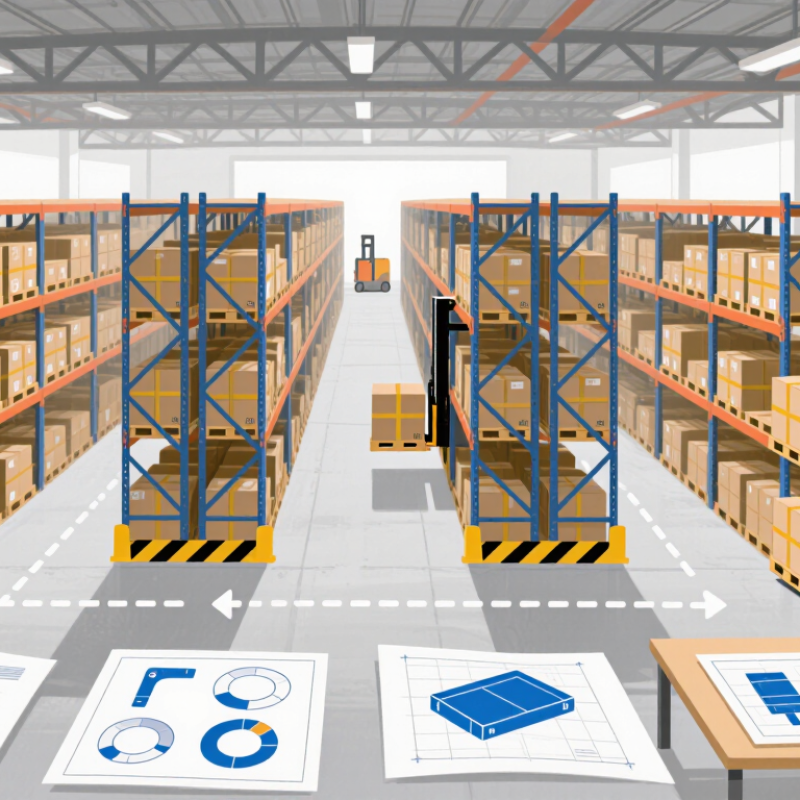
China Best Double Deep Pallet Racking Manufacturers?

What Is Double Deep Pallet Racking?

Double deep pallet racking stores two pallets deep on each side of an aisle. A deep-reach truck places and retrieves the rear pallet over the front one. This layout can add storage positions without expanding the building footprint. More density.

The trade-off is access. The front pallet must usually move before workers can reach the pallet behind it, so the system suits products stored in batches. In practice, it can look efficient on a plan and feel awkward during a busy shift. Check whether stock rotation and picking patterns suit this arrangement before committing.

A reliable design starts with actual pallet dimensions, loaded weights, and the reach truck’s operating requirements. Measure aisle widths and clearances carefully; small mismatches can slow handling or create contact risks. Ask manufacturers for load calculations, layout drawings, and clear guidance on rack protection and inspections. Their design should reflect the floor conditions and the equipment used on site. Don’t guess. Even a modest change in pallet size can affect beam spacing and usable clearance. A site review is worthwhile, though it may reveal that some locations work better with single-deep storage.

What Is Double-Deep Pallet Racking?

Direct access to pallet positions per lane face

In a two-deep lane, the front pallet blocks the rear pallet, so only one of the two positions is directly accessible from the aisle. The percentages assume a single lane face and exclude pallet moves needed to reach blocked positions.

How Double Deep Pallet Racking Systems Work

Double-deep pallet racking places two pallets in each storage position, one behind the other. This increases storage density while reducing direct access to every pallet. A compatible reach truck with telescopic forks retrieves the rear pallet after the front pallet is moved. That matters.

Because access follows a last-in, first-out pattern within each lane, the system suits products with several pallets per SKU and manageable rotation needs. It is less convenient when workers must select individual pallets from many different products. In a warehouse, that difference can show up as extra moves: a front pallet may need temporary relocation before the target load is reachable.

Planning should account for pallet dimensions, load weights, rack height, aisle width, and the reach truck’s operating limits. A qualified site assessment can help confirm clearances and safe capacities; assumptions based on floor plans alone may miss columns, uneven floors, or turning constraints. Not every warehouse benefits. Before installation, review picking patterns and inventory rotation with the people who operate the equipment daily. Their practical feedback can reveal bottlenecks that a capacity estimate overlooks.

Key Specifications for Comparing Chinese Manufacturers

China Best Double Deep Pallet Racking Manufacturers?

Key Specifications for Comparing Chinese Manufacturers

Compare designs using the same operating assumptions: pallet weight, load per beam, bay width, rack height, and forklift type. Ask for drawings that show upright sections, beam dimensions, clearances, and floor fixing details. Double-deep storage also needs a suitable reach truck and careful aisle planning; a small clearance error can make rear pallets difficult to retrieve. Check whether the design follows a recognized specification, such as ANSI MH16.1 or EN 15512, and request material certificates and documented load-test procedures.

Compare more than the headline steel thickness. Review steel grade, coating, weld consistency, production traceability, and the stated limits for beam deflection. Confirm how the manufacturer handles seismic conditions and damaged components, where relevant to the site. Request references for installations with similar loads and operating conditions. A polished brochure is not proof of performance. I would also inspect a trial assembly if practical; drawings can miss awkward details, and that is worth admitting before a large order.

How to Assess a Double Deep Racking Manufacturer

China Best Double Deep Pallet Racking Manufacturers?

How to Assess a Double Deep Racking Manufacturer

A double deep system stores two pallets behind each other, so rack design must match the reach truck and pallet dimensions. Ask manufacturers for load calculations covering beam capacity, upright frames, floor conditions, and local seismic requirements. Request drawings that show flue spaces, clearances, and aisle widths. Small measurement errors can create daily handling problems. They matter.

Check how the supplier verifies steel quality, welds, coating thickness, and finished dimensions. Ask for inspection records, installation instructions, and references for projects with similar pallet weights and operating conditions. The Rack Manufacturers Institute’s ANSI MH16.1 specification provides a useful framework for evaluating steel storage rack design and testing. Do not rely on a brochure alone. A neat drawing can still miss a site constraint.

Technology and service also deserve scrutiny. MHI’s 2024 Annual Industry Report found that 55% of respondents planned to increase supply chain technology investment. That figure is not specific to racking, but it highlights the value of accurate inventory data and compatible warehouse systems. Confirm spare-parts availability, response times, and whether the supplier can support future inspections. One uncomfortable question: who owns the load data when pallet weights change? Get responsibilities in writing, even if the process feels repetitive.

What to Confirm Before Choosing a Supplier

A double-deep pallet rack system can increase storage density, but it also changes how operators access loads. Before choosing a supplier, share accurate aisle widths, ceiling heights, pallet dimensions, and forklift details. Ask the supplier to confirm that the proposed layout fits your actual equipment, not just a standard drawing. Small details matter.

Request load calculations for each beam level and upright frame. These should reflect pallet weight, load placement, rack height, and site conditions. Ask who prepares and checks the calculations, and have a qualified professional review them where needed. Confirm the floor requirements too; a strong-looking rack still depends on a suitable slab and correct anchoring. Do not rely on a generic capacity label.

Check how the supplier controls material quality, weld inspection, coating thickness, and part traceability. Ask for installation instructions, inspection guidance, warranty terms, and a clear process for replacing damaged components. References from facilities with similar pallet sizes and handling equipment can reveal practical issues that specifications miss. I would recheck the forklift clearance on site before signing off. Drawings can be neat, while real aisles are not.

FAQS

What information should I send for a quote?

Share pallet dimensions and weight, beam load, bay width, rack height, aisle width, ceiling height, and forklift type. Give every supplier the same figures.

Why does forklift compatibility matter?

Double-deep racks place one pallet behind another. A suitable reach truck needs enough reach and aisle clearance. Small measurement errors matter.

What should load calculations include?

Ask for calculations covering each beam level, upright frames, pallet placement, rack height, floor conditions, and seismic needs where relevant. A capacity label alone is not enough.

Which drawings should a supplier provide?

Request upright sections, beam dimensions, flue spaces, aisle widths, clearances, and floor-fixing details. Compare them with the actual warehouse, not an idealized layout.

How can I check material quality?

Ask for steel grade records, coating thickness checks, weld inspection results, finished-dimension checks, and part traceability. Brochures are not proof.

Should I request references or a trial assembly?

Yes. Look for facilities with similar pallet weights and forklifts. If practical, inspect a trial assembly. Drawings can miss awkward details.

What service details should I confirm?

Confirm installation guidance, inspection instructions, warranty terms, spare-part availability, and response times. Put replacement steps in writing. It may feel repetitive.

How should changing pallet weights be handled?

Agree who updates and reviews load data when weights change. Recheck calculations before changing how the rack is used. This is easy to overlook.

What should I check before approving the layout?

Verify forklift clearance in the warehouse. Drawings look tidy; real aisles can be less forgiving. I would check twice.

Conclusion

This guide explains what Double Deep Pallet Racking is and how its layout stores pallets two positions deep, helping warehouses make better use of available floor space. It outlines how the system operates, including the equipment and access considerations that can affect pallet handling, stock rotation, and day-to-day efficiency. Readers will also learn which specifications to compare when reviewing manufacturers in China, such as dimensions, load capacity, materials, finishes, and compatibility with existing warehouse equipment.

The article also offers a practical approach to assessing a manufacturer’s production capabilities, quality controls, technical support, and experience with similar projects. Before choosing a supplier, buyers should confirm design requirements, product documentation, delivery arrangements, installation support, warranty terms, and after-sales service. By using these criteria, businesses can compare options consistently and select a racking solution suited to their inventory, operating needs, and warehouse conditions.

Amelia

Amelia

Amelia is a professional marketing specialist with a strong understanding of the company’s products, services, and the needs of the people they are designed to support. She regularly contributes expert articles to the company website, sharing practical insights, explaining product features, and......