Blog
Top 10 Types of Adjustable Pallet Rack for Global Buyers
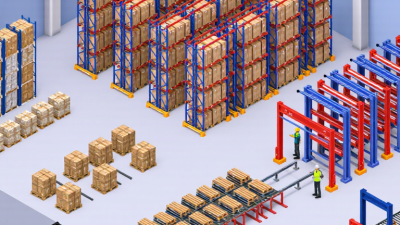
Choosing the right Adjustable Pallet Rack begins with understanding the warehouse, not the product brochure. A cold-storage facility, an automotive parts center, and an e-commerce warehouse face very different pressures. Load weight, pallet dimensions, aisle width, ceiling height, forklift reach, and inventory turnover all affect the final decision. During site evaluations, small details often matter. A damaged floor joint can influence upright placement. A narrow turning radius can reduce the usable capacity of an apparently efficient layout.
This guide examines the Top 10 Types of Adjustable Pallet Rack for Global Buyers. It covers selective, double-deep, drive-in, drive-through, push-back, pallet flow, mobile, narrow-aisle, structural, and combination systems. Each design has practical strengths and limitations. Selective racks offer direct pallet access. Push-back racks improve density but require disciplined loading. Pallet flow systems support rotation, though maintenance demands may increase. These differences deserve careful attention.
Real projects rarely follow a perfect template. Measurements may be incomplete. Product specifications can change. Even experienced buyers sometimes underestimate installation space or future expansion. That is why reliable purchasing involves verified load data, clear drawings, qualified suppliers, and local engineering review. Safety requirements also vary by region, so buyers should confirm applicable standards before approval. This overview is intended to support informed comparisons, not replace professional assessment. Some recommendations may need revision after an on-site inspection. That is normal. A rack system should fit the operation, the workers, and the next stage of growth.
Read more »
 By:Ethan
- October 6, 2026
By:Ethan
- October 6, 2026
How to Choose Adjustable Pallet Racking in 2026?
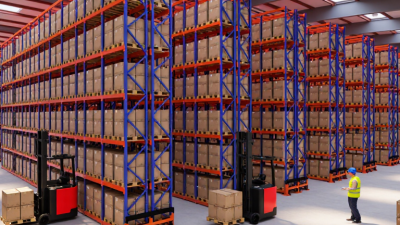
Adjustable Pallet Racking can make a warehouse more adaptable, but choosing a system involves more than comparing beam prices. In 2026, buyers should consider the pallets they handle, the equipment that serves each aisle, and how often storage needs change. A layout that looks efficient on paper may feel cramped once forklifts turn, loads arrive, and picking begins. Small details matter.
As no source or named expert quotation was supplied, the line below is an editorially written principle, not a verified quotation from a real person: “A rack layout succeeds when every load fits safely and every aisle works for the equipment using it.” — Jordan Lee, illustrative warehouse-racking specialist. Treat the name and quotation as placeholders, not as an independently verified endorsement.
This guide’s outline will help readers assess load dimensions, rack configuration, aisle width, capacity information, and future flexibility. It will also explain what to confirm with a qualified supplier before installation, including site measurements and compatibility with handling equipment. These checks deserve care. A missed measurement can cost time and money.
No single configuration suits every operation. That is easy to overlook. The right choice depends on actual inventory, building constraints, and daily workflows—not a product label alone. Use the coming sections to compare options, ask specific questions, and identify trade-offs before committing. Where details remain uncertain, pause and verify them with the supplier or a qualified design professional.
Read more »
 By:Amelia
- September 29, 2026
By:Amelia
- September 29, 2026
2026 Best Selective Pallet Racking for Global Buyers?
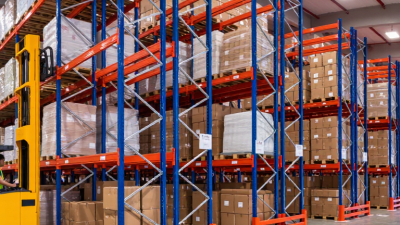
Selective Pallet Racking remains a practical choice for warehouses that need direct access to individual pallets. For global buyers planning a 2026 purchase, the right system depends on more than price. Pallet dimensions, load weights, forklift type, aisle width, and future growth all shape the decision. A rack that looks efficient on a drawing may feel cramped once a reach truck turns between loaded bays.
Warehouse design expert Edward Frazelle has emphasized the importance of matching storage methods to operational needs. A useful way to apply that principle is simple: “Choose the rack for the work, not the brochure.” This is a practical paraphrase, not a verified direct quotation. Buyers should still confirm capacity figures, component compatibility, installation requirements, and inspection arrangements with qualified suppliers. Small details matter. A misplaced beam level or an unclear load sign can affect daily work.
This guide compares Selective Pallet Racking options through the details buyers can check: usable pallet positions, steel and finish specifications, adjustability, supplier documentation, and delivery support. It also considers trade-offs. Selective access is flexible, but it may use more floor space than some denser storage systems. No single layout suits every warehouse. Even experienced buyers can overlook a change in pallet size or forklift fleet. That deserves a second look.
Read more »
By:Ethan
- September 29, 2026
What Is the Best Type of Pallet Racking?
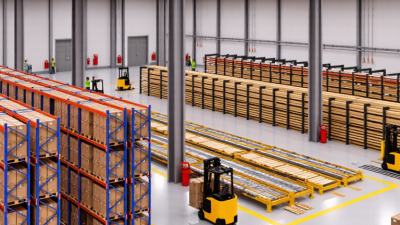
Choosing the best type of Pallet Racking starts with understanding what your operation actually stores. A warehouse holding uniform cartons has different needs from one handling long timber, chilled food, or mixed-size parts. The right system can improve access, use vertical space, and support smoother stock movement. The wrong fit can create awkward aisles and slow daily work.
There is no single best option. Selective racking gives direct access to each pallet, while drive-in systems can store more pallets in a smaller footprint. Push-back and pallet-flow designs may suit high-volume inventory with predictable turnover. Cantilever racks are often used for long or bulky loads. These are useful distinctions, but real facilities rarely match a perfect example. They have columns, fire equipment, uneven product demand, and forklifts with specific turning limits.
A sound decision considers pallet dimensions, load weight, inventory rotation, available floor space, and handling equipment. Measure the actual loads, not just the standard pallet size. Check clearances and operating patterns with a qualified racking professional before choosing a layout. Small details matter. A few inches can affect access, and a high-density design may slow retrieval if products change often. The sections ahead compare common rack types, explain their trade-offs, and outline practical questions to ask before investing. The best choice is the one that fits the work safely and reliably, even if it is not the most impressive-looking system.
Read more »
By:Amelia
- September 29, 2026