0%

Adjustable Pallet Racking can make a warehouse more adaptable, but choosing a system involves more than comparing beam prices. In 2026, buyers should consider the pallets they handle, the equipment that serves each aisle, and how often storage needs change. A layout that looks efficient on paper may feel cramped once forklifts turn, loads arrive, and picking begins. Small details matter.

As no source or named expert quotation was supplied, the line below is an editorially written principle, not a verified quotation from a real person: “A rack layout succeeds when every load fits safely and every aisle works for the equipment using it.” — Jordan Lee, illustrative warehouse-racking specialist. Treat the name and quotation as placeholders, not as an independently verified endorsement.

This guide’s outline will help readers assess load dimensions, rack configuration, aisle width, capacity information, and future flexibility. It will also explain what to confirm with a qualified supplier before installation, including site measurements and compatibility with handling equipment. These checks deserve care. A missed measurement can cost time and money.

No single configuration suits every operation. That is easy to overlook. The right choice depends on actual inventory, building constraints, and daily workflows—not a product label alone. Use the coming sections to compare options, ask specific questions, and identify trade-offs before committing. Where details remain uncertain, pause and verify them with the supplier or a qualified design professional.
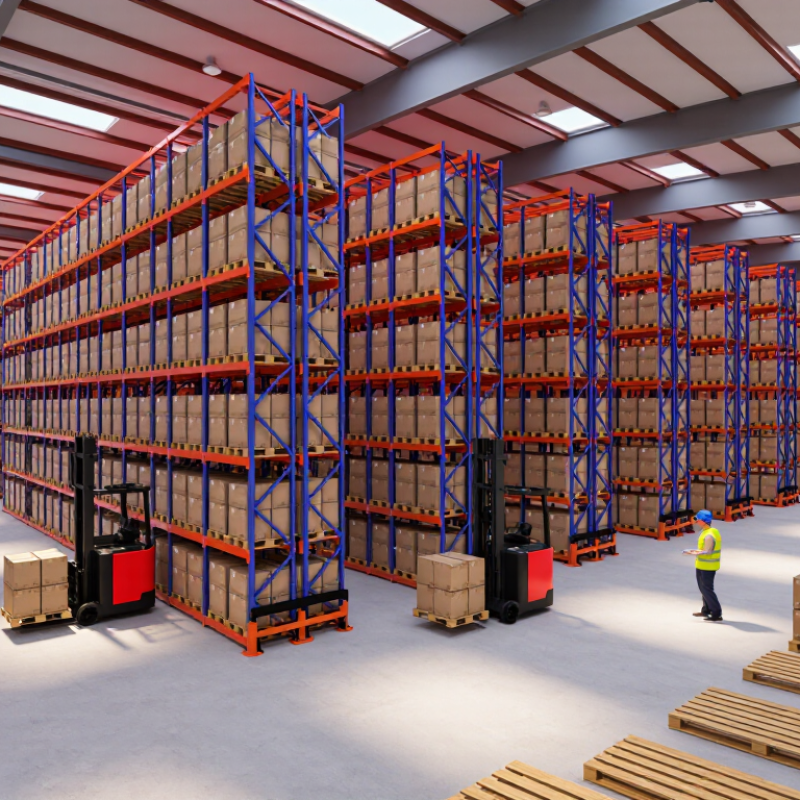
How to Choose Adjustable Pallet Racking in 2026?

Define Storage Requirements and Warehouse Operating Conditions

Choosing adjustable pallet racking starts with a clear storage profile. Measure pallet length, width, height, and actual load weight. Do not rely on nominal figures. Record the heaviest and least stable pallets. A 1,000-kilogram load needs different beam capacity than mixed cartons. Note stock turnover, picking frequency, and replenishment timing. Fast-moving goods may need lower, easier-to-reach levels. Slow stock can use higher positions. Keep seasonal peaks in the calculation. Empty space today can disappear in November.

Then examine the warehouse operating conditions. Check clear height, floor flatness, column spacing, lighting, sprinkler clearance, and travel paths. Forklift type matters. A reach truck needs a different aisle width from a counterbalance truck. Measure turning points with a loaded vehicle, not an empty one. This small detail is often missed. Protect pedestrian routes and mark collision-prone corners. Dust, humidity, temperature, and outdoor exposure also affect finishes and inspection frequency.

Ask for written load tables, frame capacities, beam levels, and anchoring details from a qualified supplier or engineer. Confirm that the proposed layout matches local safety requirements and the building’s structural limits. Inspect uprights, beams, and anchors regularly. Replace damaged parts promptly. Site reviews often reveal plans that look efficient on paper but fail during peak-hour movements. That is worth admitting. A slightly wider aisle may reduce storage density, yet improve safety and handling speed. Recheck the design after three months of real operation. Warehouse behavior rarely matches the first spreadsheet.

Measure Pallet Dimensions, Loads, and Handling Equipment

How to Choose Adjustable Pallet Racking in 2026?

Choosing adjustable pallet racking starts with accurate measurements, not a catalog image. Record each pallet’s length, width, height, and actual weight. Include wrapping, cartons, and any overhanging goods. A pallet listed as 1,200 millimeters wide may need more clearance in daily use.

Measure the heaviest load, not the average one. Then check how many pallets each beam level must support. Divide the total load carefully across the beams, following the supplier’s rated capacity. Never treat a capacity label as a target. Leave a practical safety margin. A damaged pallet can behave differently from a new one.

Handling equipment also controls the rack layout. Note the turning radius of forklifts, lift height, mast movement, and aisle width. Narrow aisles may save floor space but reduce operating speed. Check the highest storage position against the equipment’s safe lifting height. Measure with the operator in mind.

Small details matter.

During a site check, mark columns, doors, sprinklers, lighting, and uneven flooring. These obstacles can change the usable bay length. Recheck measurements with a second person; rushed surveys often miss pallet overhang. In 2026, adaptable systems remain useful, but adjustability cannot correct poor data. Revisit the design when pallet sizes, loads, or handling equipment change.

Compare Adjustable Pallet Racking Configurations and Features

Adjustable pallet racking can mean very different things on the warehouse floor. Selective rack gives forklift access to every pallet, making it practical for mixed SKUs and frequent picking. Double-deep rack stores pallets two positions deep, but needs reach equipment and reduces direct access. Push-back suits several pallets per lane with last-in, first-out retrieval. Drive-in can pack storage densely, though forklift entry and lower selectivity may slow picking.

MHI and Deloitte’s 2024 Annual Industry Report found that 55% of surveyed organizations planned to increase supply-chain technology investment. That shift makes adaptable layouts worth considering, but software cannot fix a rack layout that clashes with forklift turning space. Measure aisle widths, pallet overhang, clear height, and sprinkler clearance against the actual equipment and loads. Small details matter.

Compare beam adjustment increments, frame depth, protection options, and rated capacities—not just price per position. A low-volume facility with many product types may value selective access more than maximum density. A stable, high-volume SKU mix may justify deeper storage. Trade-offs remain. Have a qualified rack designer verify load ratings and layout drawings before installation; beam capacity changes with span, load distribution, and configuration. Real warehouses are rarely as tidy as the plan.

How to Choose Adjustable Pallet Racking in 2026?

Compare typical aisle-width planning ranges for common adjustable pallet racking configurations.

How to read this: Each bar shows a typical aisle-width planning range in meters. Narrower aisles can increase storage density, but require compatible handling equipment and careful layout planning. Actual requirements vary with the truck, pallet, load, and site conditions; confirm them with a qualified racking designer.

Check Safety Standards, Building Fit, and Future Expansion Needs

How to Choose Adjustable Pallet Racking in 2026?

Safety standards should guide every racking decision, not merely complete the paperwork. Check the requirements that apply in your region, including structural design, installation, inspection, and load labeling. A qualified engineer should verify frame capacity, beam connections, floor loading, and seismic risks. Keep aisle widths suitable for your forklifts and emergency access. Never assume a reused frame has the same strength as a new system. I have seen small dents become serious concerns during inspections. That mistake is avoidable.

Measure the building before requesting a quotation. Record clear ceiling height, column spacing, slab condition, sprinkler locations, door positions, and lighting obstructions. Racking may fit on a drawing but fail beside a low beam or fire exit. Check forklift turning space with real equipment dimensions. Leave practical clearance around walls and services. Perfect plans are rare. Recheck measurements on site.

Future expansion also deserves attention. Choose a layout with adjustable beam levels and compatible replacement parts. Reserve space for additional bays, seasonal stock, or changing pallet sizes. Review current inventory turnover and expected growth over three to five years. A slightly lower initial density may reduce relocation costs later. However, overbuilding can waste capital and floor space. I would document both options, then test them against realistic growth data.

Assess Total Cost, Installation, and Supplier Support

How to Choose Adjustable Pallet Racking in 2026?

The purchase price rarely shows the full cost of adjustable pallet racking. Include delivery, floor preparation, installation labor, inspections, and future adjustments. A low quotation can become expensive when installers discover uneven concrete or restricted access. Measure aisle widths, ceiling height, pallet weights, and forklift turning space before requesting proposals. These details make supplier comparisons more reliable.

Installation quality deserves careful attention. Ask for a written installation plan, load calculations, anchoring details, and a handover inspection. Experienced suppliers should explain how the system fits your real workflow, not only sell steel frames.

I once underestimated installation time by one day because outbound traffic blocked the work area. That mistake delayed operations and increased labor costs. It was avoidable.

Tips:

  • Request an itemized quote.
  • Confirm delivery access.
  • Check installer experience.
  • Ask who handles damaged components.
  • Require clear maintenance guidance and response times for technical support.

Supplier support matters after installation, especially when storage profiles change or a beam needs replacement. Test their communication before signing. A slow answer now may signal slower help later.

Also, leave a realistic contingency budget. Warehouse projects often contain small surprises.

FAQS

What measurements should I collect before choosing adjustable pallet racking?

Record pallet length, width, height, and actual weight. Include wrapping, cartons, and overhanging goods. Measure the heaviest pallets, not average ones.

Why does the heaviest pallet matter?

Beam capacity depends on real loads. A 1,000-kilogram pallet needs different support than mixed cartons. Leave a practical safety margin.

How does forklift equipment affect the rack layout?

Check turning radius, lift height, mast movement, and aisle width. Measure with a loaded forklift. Empty vehicles hide awkward turning points.

What warehouse conditions can change the design?

Check ceiling height, columns, doors, lighting, sprinklers, flooring, and travel paths. Dust, humidity, and outdoor exposure may affect finishes and inspections.

Should I use narrow aisles to increase storage density?

Narrow aisles save space but may slow handling. Confirm the forklift’s working width and turning space. More storage is not always better.

What safety information should a supplier provide?

Request written load tables, frame capacities, beam levels, and anchoring details. A qualified engineer should verify the design and building limits.

How often should pallet racking be inspected?

Inspect uprights, beams, anchors, and labels regularly. Replace damaged parts promptly. Small dents can become serious inspection concerns.

How should I plan for future expansion?

Reserve space for extra bays, seasonal stock, and changing pallet sizes. Adjustable beam levels help. Recheck the layout after three months of real operation.

Can an efficient drawing still fail in daily warehouse work?

Yes. Peak-hour traffic may expose blocked routes or poor turning space. The first spreadsheet may be wrong. That deserves honest review.

Conclusion

Choosing Adjustable Pallet Racking in 2026 starts with a clear understanding of your storage requirements and warehouse operating conditions. Consider the number and type of pallets, inventory turnover, available floor space, ceiling height, temperature, and workflow. Accurate measurements of pallet dimensions and load weights are essential, as is matching the system to your forklifts, reach trucks, or other handling equipment. These details help determine the appropriate bay width, beam levels, load capacity, aisle design, and access method.

Next, compare configurations and useful features, such as adjustable beam positions, reinforced frames, protection components, and options for improving picking efficiency. Confirm that the system fits the building structure, complies with applicable safety requirements, and allows for future expansion or changing inventory needs. Finally, evaluate the total cost, including materials, delivery, installation, inspections, maintenance, and staff training. A dependable supplier should provide accurate planning, clear documentation, responsive support, and practical guidance throughout the project.

Amelia

Amelia

Amelia is a professional marketing specialist with a strong understanding of the company’s products, services, and the needs of the people they are designed to support. She regularly contributes expert articles to the company website, sharing practical insights, explaining product features, and......