Featured Semi-Automated & Heavy-Duty Racking Systems
Explore our top-tier pallet racking engineering designed to maximize warehouse volumetric efficiency, accelerate pallet turnover, and reduce operational overhead.
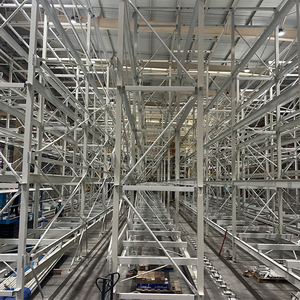
Engineering Design Pallet Rack System with High Density Layout
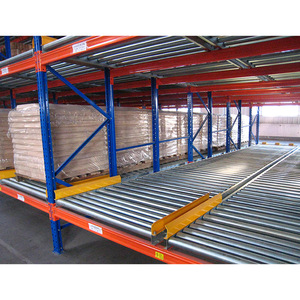
FIFO High Efficient Warehouse Storage Gravity Pallet Flow Racks Roller Rack
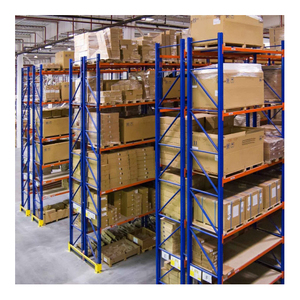
CE Certified Heavy Duty Selective Pallet Racking System
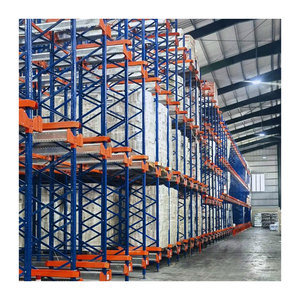
High Efficient Automatic Storage Shuttle Pallet Rack
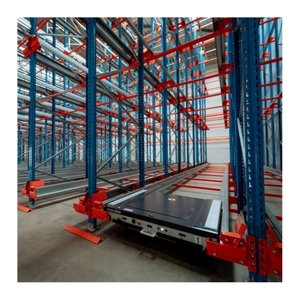
Auto Shuttle Racking System Intelligent Cold Storage Shuttle Rack
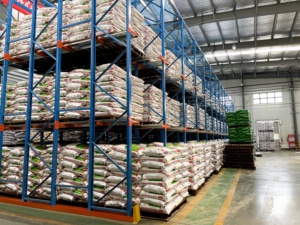
Heavy Duty Radio Shuttle Racking for Cold Storage
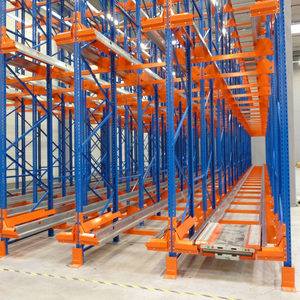
Customized Radio Shuttle Pallet Racking for Logistics Centers
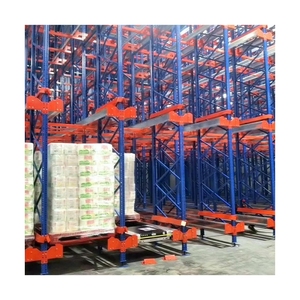
Semi-Automatic Corrosion Protected Radio Shuttle Racking System
Why Top Global Brands Partner With Our Manufacturing Hub
Eliminating middleman markups while enforcing rigorous structural engineering, advanced roll-forming precision, and end-to-end quality assurance.
15+ Years Engineering Depth
Over a decade and a half of mastering high-density racking designs, annual domestic and export sales exceeding CNY 100 million, and thousands of successfully deployed industrial projects worldwide.
8,000 m² Modernized Facility
Located in Dongguan, Guangdong, our factory houses 35+ sets of advanced automated roll-forming lines, robotic welding stations, and continuous electrostatic powder coating equipment.
In-House QC & Testing Protocol
Every batch of raw Q235B/Q355B structural steel undergoes rigorous yield strength, hole-punching tolerance, weld seam integrity, and coating adhesion inspection prior to shipment.
Understanding Semi-Automated Radio Shuttle Architecture
In modern warehouse logistics, the drive toward higher spatial utilization and faster throughput has created a sharp divide between traditional manual pallet storage and fully automated retrieval systems (AS/RS). Semi-automated radio shuttle pallet racking occupies the strategic operational sweet spot. By combining heavy-duty racking frames with remote-controlled autonomous shuttle runners, enterprise facilities achieve up to 85% cube storage density while keeping total capital expenditure (CapEx) at a fraction of fully automated robotic crane systems.
"Semi-automated radio shuttle systems bridge the critical financial and operational gap for logistics managers: delivering AS/RS levels of volumetric density and safety without the massive structural overhead and complex commissioning timelines of fully automated stacker cranes."
Mechanical Design & Load Dynamics
At the core of a semi-automated pallet racking system is the engineered shuttle lane profile. Unlike standard selective racking beams, shuttle channels incorporate continuous cold-rolled guide rails manufactured from high-yield structural steel. These rails perform dual roles: supporting static pallet loads (up to 1,500 kg per position) and serving as the operational track for the battery-powered shuttle cart.
- High-Strength Upright Profiles: Heavy-duty cold-rolled steel columns (Q235B / Q355B grade) with multi-point teardrop or omega pitch adjustment to accommodate varying unit load heights.
- Lithium Iron Phosphate (LiFePO4) Power Cells: Modern shuttles utilize quick-charge LiFePO4 batteries offering 8 to 12 hours of continuous duty, rapid thermal stabilization, and seamless operation down to -30°C in cold storage environments.
- Multi-Sensor Navigation: Integrated photoelectric, ultrasonic, and laser position sensors prevent palleted cargo collisions, verify pallet edge alignment, and automatically detect channel ends.
Comparative Performance Metrics
To assist warehouse directors and supply chain engineers in selecting the optimal high-density storage layout, the following comparative engineering analysis highlights the technical trade-offs across major storage architectures:
| Racking Architecture | Storage Density | Forklift Travel Time | Pallet Access Mode | Cold Storage Suitability | CapEx Level |
|---|---|---|---|---|---|
| Selective Pallet Racking | Standard (30% - 40%) | High (Aisle travel required) | 100% Direct Selective | Moderate (High footprint cost) | Low |
| Drive-In Racking | High (60% - 70%) | Slow (Drive inside lane) | LIFO (Last-In, First-Out) | Good | Low - Moderate |
| Semi-Automated Radio Shuttle | Very High (75% - 85%) | Fast (Outer face picking) | FIFO / LIFO Switchable | Excellent (-30°C certified) | Moderate |
| Fully Automated AS/RS | Maximum (85% - 92%) | Zero (Fully automated) | WMS Software Controlled | Excellent | Very High |
Future Procurement & Technology Trends
Key developments driving global warehouse automation purchases over the next decade.
WMS & IoT System Integration
Modern semi-automated shuttles are evolving from standalone remote-controlled vehicles into fully integrated IoT devices connected directly to enterprise Warehouse Management Systems via 5G and industrial Wi-Fi.
Cold Chain & Energy Optimization
With rising global refrigeration energy costs, high-density shuttle racking in cold rooms minimizes wasted cubic space. Future shuttles feature advanced low-temperature sensors and fast self-heating battery enclosures.
Hybrid AGV / AMR Shuttle Synergy
Procurement strategies increasingly favor modular racking layouts capable of seamlessly upgrading from forklift-loaded shuttle channels to Autonomous Mobile Robot (AMR) vertical transfer systems.
How to Evaluate & Procure Racking Systems from China Manufacturers
Procuring semi-automated racking systems internationally requires balancing structural engineering safety with total cost of ownership. Overseas buyers must scrutinize raw material origin, surface finishing durability, and factory verification parameters before committing to containerized orders.
1. Raw Material Compliance & Structural Calculations
Ensure your supplier utilizes certified structural steel (such as Q235B or Q355B grades) compliant with international standards like FEM 10.2.02 or ANSI MH16.1. Request certified raw mill test reports verifying tensile strength, elongation percentages, and yield stress parameters.
2. Surface Treatment & Environmental Endurance
Industrial storage racking installed in humid, chemical, or sub-zero environments demands superior surface protection. Continuous electrostatic powder coating (with a minimum film thickness of 60 to 80 microns) prevents rust formation, beam degradation, and premature structural failure.
3. Verification of Custom CAD Layout Engineering
Top-tier manufacturers provide complimentary engineered CAD layout designs detailing column load distributions, rack aisle clearances, forklift turning radii, and seismic anchoring configurations prior to contract finalization.
Frequently Asked Procurement Questions
Clear, direct technical answers from our structural engineering team regarding custom semi-automated pallet racking systems.
How do I choose between selective, drive-in, and semi-automated shuttle racking?
What technical data is required to generate a free warehouse layout design?
Can the radio shuttle car operate reliably in cold storage environments?
What is the expected battery life and charging cycle of the radio shuttle?
How does Zenithrack ensure structural quality and safety prior to export?
Ready to Upgrade Your Warehouse Volumetric Efficiency?
Consult with our senior structural engineers today. Receive a free engineered CAD layout, technical load calculation, and factory-direct pricing quote within 24 hours.