Engineered Sub-Zero Storage & High-Density Pallet Racking
As a leading China wholesale freezer pallet racking manufacturer and direct global exporter, Zenithrack supplies certified low-temperature structural steel storage systems designed to maximize cubic cold storage density, reduce thermal dissipation costs, and ensure structural ductile safety at temperatures down to -40°C.
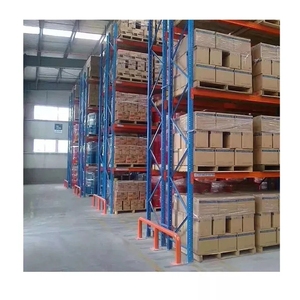
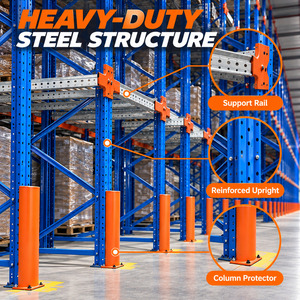
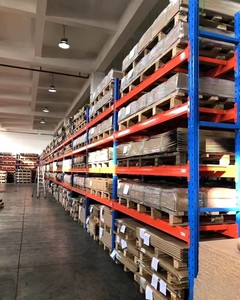
Why Global Cold Chain Operators Source Racking from Zenithrack
Operating an industrial freezer storage warehouse incurs high operational expenditure per cubic meter. Zenithrack provides direct factory-level engineering, specialized sub-zero steel metallurgy, and full customization to ensure long-term structural reliability.
Sub-Zero Steel Metallurgy (Q345E / Q355E)
Standard structural steel experiences low-temperature embrittlement at sub-zero conditions. Zenithrack utilizes specialized low-carbon micro-alloy steel grades (such as Q355E) tested for high Charpy V-notch impact toughness at -40°C, eliminating brittle fracture risks under heavy impact loads.
In-House Hot-Dip Galvanizing & Coating
Humidity condensation during defrost cycles rapidly corrodes inferior storage racking. Zenithrack provides heavy-duty Hot-Dip Galvanizing (HDG) conforming to ASTM A123 / ISO 1461 with coating thickness up to 85µm, as well as cold-room specialized electrostatic epoxy-polyester powder coatings.
Engineered Thermal Expansion Isolation
Sub-zero concrete slab floor shrinkage and thermal expansion gradients require specialized baseplate anchor isolation and thermal break shims. Our structural engineering team designs thermal break floor pads and heavy-duty expansion anchors specifically for insulated cold room floors.
Free CAD Structural Layout & 3D Modeling
Every freezer racking project includes complimentary structural layout engineering, forklift aisle optimization, clear height thermal space calculation, and installation drawings designed in accordance with FEM 10.2.02 and RMI specifications.
Rigorous Factory Quality Control (QC)
From spectral raw steel testing to ultrasonic weld flaw detection, profile dimension check, hole-punching pitch precision, and salt-spray corrosion tests, Zenithrack’s 75+ headcount team controls quality at every stage of production.
Export Logistics & Container Space Optimization
We supply racking bundles engineered to maximize 40ft High Cube (40HC) ocean container packing densities, eliminating empty freight volume while shipping pre-installed components and basic installation tool packages directly to your project site.
Cold Storage & Freezer Pallet Racking Architecture: Technical Deep-Dive
Operating a refrigerated or deep-freeze cold storage facility represents one of the highest capital investment and energy consumption profiles in modern supply chain management. Maintaining sub-zero ambient temperatures (typically ranging from -18°C for commercial frozen foods to -30°C for seafood/pharmaceutical storage, and -40°C for blast freezing) requires continuous refrigeration power. Consequently, cold chain warehouse design prioritizes cubic density optimization over lateral expansion. Every cubic meter of unutilized air space represents wasted energy expenditure.
Selecting the appropriate industrial storage rack architecture directly impacts thermal efficiency, pallet storage capacity, stock rotation velocity (FIFO vs. FILO), forklift fleet selection, and labor overhead. Below is a comparative technical evaluation of the primary freezer pallet racking systems manufactured by Zenithrack Industrial Equipment Co., Ltd.
| Racking Architecture | Cubic Volume Utilization | Stock Rotation Method | Forklift Operating Clearance | Sub-Zero Operational ROI |
|---|---|---|---|---|
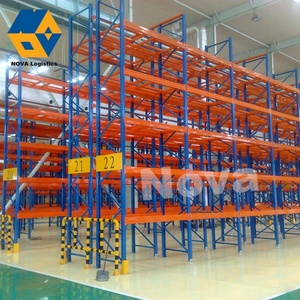
| Selective Pallet Racking | 40% – 50% | 100% Direct Access (FIFO/LIFO) | Wide (3.0m – 3.8m) / VNA (1.6m – 1.8m) | Moderate High SKU Versatility |
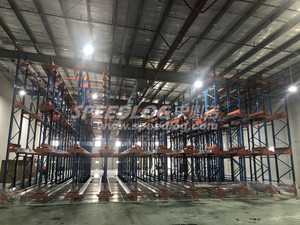
| Drive-In Racking System | 70% – 80% | Strict FILO (First-In, Last-Out) | Forklift Enters Rack Lane (1.4m – 1.6m) | High Low Initial CAPEX |
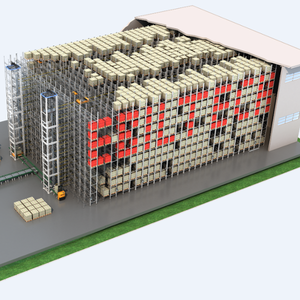
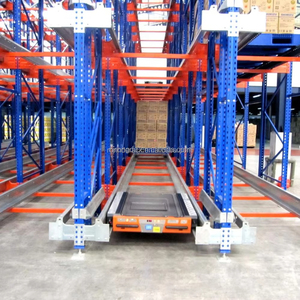
| Automated Radio Shuttle Racking | 80% – 90% | Flexible FIFO & FILO Automated | Staging Aisle Only (2.6m – 3.0m) | Maximum Highest Energy Efficiency |
| Mobile Pallet Racking (Electric) | 85% – 95% | 100% Direct Access (Movable Aisles) | Single Dynamic Aisle Required | High Premium Floor Utilization |
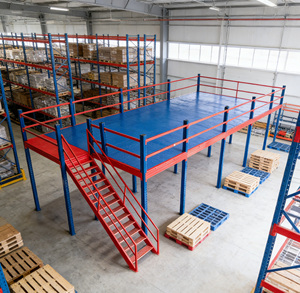
| Multi-Tier Structural Mezzanine | Multiplies Floor Area | Manual / Trolley / Conveyor Access | Stairs / Vertical Goods Lifts | High Carton / Small Piece Cold Store |
Technical Metallurgical Analysis: Low-Temperature Brittle Failure Mitigation
One of the most critical structural engineering challenges in wholesale freezer pallet racking is avoiding cold embrittlement. Standard structural carbon steels (such as Q235B or ASTM A36) exhibit a ductile-to-brittle transition temperature (DBTT) around 0°C to -10°C. Under sub-zero conditions, steel loses its elastic energy absorption capacity. When subjected to dynamic loads—such as a forklift impacting an upright column or sudden beam loading—standard steel can suffer catastrophic, instantaneous brittle fracture without prior plastic deformation.
Zenithrack Sub-Zero Material Engineering Protocol:
- Structural Steel Selection: We specify low-alloy high-strength fine-grained steel grades such as Q355E, Q345E, or S355NL for structural upright profiles destined for -20°C to -40°C environments. These alloys undergo specialized micro-alloying with Vanadium, Niobium, or Titanium to refine grain structure.
- Charpy V-Notch Impact Testing: All structural raw coils for freezer racking undergo mandatory Charpy V-notch impact testing, verifying minimum impact toughness energy absorption of ≥ 34 Joules at -40°C.
- Weld Seam Integrity: Robotic CO2 gas shielded welding utilizing cold-resistant welding wire (AWS E7018-G / ER50-6) prevents hydrogen-induced cold cracking in weld heat-affected zones (HAZ).
Surface Protection: Hot-Dip Galvanizing vs. Low-Temperature Electrostatic Powder Coating
Corrosion in freezer storage is driven not by sub-zero temperatures, but by moisture condensation cycles during defrosting, door opening, or humidity ingress. When warmer ambient air enters cold rooms, ice forms on cold steel surfaces. During room maintenance or defrosting, this ice melts into water, accelerating rust if surface protection is compromised.
1. Hot-Dip Galvanizing (HDG) – ASTM A123 / ISO 1461
Hot-Dip Galvanizing is the premier finish for industrial cold storage racking. The steel profiles are fully submerged in molten zinc at approximately 450°C, creating a multi-layered metallurgically bonded zinc-iron alloy coating. With a typical thickness of 60µm to 85µm, HDG provides self-healing sacrificial galvanic protection. Even if a forklift scratch exposes raw steel, the surrounding zinc oxidizes preferentially, protecting the core structural member for decades.
2. Cold-Room Formulated Powder Coatings
For operations requiring color-coded inventory zones, Zenithrack applies a specialized thermosetting epoxy-polyester powder coating system formulated with low-temperature plasticizer additives. The pre-treatment phase includes a 9-stage automatic zinc phosphate cleaning process, ensuring maximum coating adhesion preventing flaking under thermal contraction stress.
Future Procurement & Technology Trends in Global Cold Storage Racking (2025–2030)
As global cold chain logistics expands to meet rising demand for frozen food distribution, biopharmaceuticals, and fresh produce export, procurement strategies for storage infrastructure are undergoing rapid technological evolution. Wholesale buyers, project contractors, and logistics hub developers must consider several dominant market trends:
Trend 1: Accelerated Shift Toward Semi-Automated Radio Shuttle Infrastructure
Traditional Drive-In racking is increasingly being superseded by Radio Shuttle Satellite Racking Systems. Drive-In racking requires forklifts to physically enter long structural tunnels, creating significant risk of rack column impact due to reduced driver visibility, icy floors, and tight operating tolerances. In contrast, Radio Shuttle systems utilize remote-controlled robotic shuttles running on internal guide rails within deep racking channels. The forklift remains safely in the main access aisle, dramatically accelerating pallet load/unload cycle times by up to 200% while virtually eliminating rack damage costs.
Trend 2: Integration of Real-Time Structural Load & Temperature IoT Sensors
Next-generation cold store facilities are incorporating smart IoT sensors directly into upright rack columns. Strain gauges and low-temperature wireless accelerometer sensors monitor real-time beam deflection, seismic vibrations, and impact events. If a forklift impacts a column, alerts are immediately sent to facility managers, allowing proactive structural assessment before failure occurs.
Trend 3: Carbon Neutrality Driven Thermal Space Optimization
With rising electricity costs worldwide, cold chain facility owners are optimizing warehouse clear height. Modern freezer facilities are building upward rather than outward, driving demand for high-bay racking systems reaching 15 to 30 meters in height. High-bay pallet racking operating with Very Narrow Aisle (VNA) turret trucks or fully automated ASRS stacker cranes maximizes cubic storage per square meter of refrigerated slab, reducing energy consumption per stored pallet by up to 40%.
Zenithrack Quality Control & Manufacturing Standards
Our 8,000m² Dongguan manufacturing plant operates under strict ISO 9001:2015 quality management procedures, maintaining total traceability from raw steel coil selection to final loading.
International Standard Compliance
Zenithrack storage systems are engineered in accordance with international racking codes: European FEM 10.2.02 / EN 15512 standards, American RMI (Rack Manufacturers Institute) guidelines, and Australian AS4084-2012 specification standards.
Full Mill Test Certification (MTC)
Every raw material batch is backed by official EN 10204 3.1 Mill Test Certificates. We perform chemical spectrum analysis, tensile strength verification, yield point testing, and low-temperature impact tests prior to roll-forming.
Pre-Shipment Trial Assembly
Before container dispatch, critical beam connectors, upright frame pitch geometries, and shuttle rail tolerances undergo trial assembly in our plant to guarantee smooth installation on site without field cutting or welding.
Frequently Asked Questions (FAQ) – Freezer Pallet Racking
Engineered answers to common technical, procurement, and structural questions asked by international buyers sourcing warehouse cold storage racking from China.
Cold storage racking requires specific engineering adaptations to withstand sub-zero conditions (-18°C to -40°C). Key differences include: 1) Steel Metallurgy: Utilization of micro-alloyed fine-grained steel (such as Q355E) with certified low-temperature impact toughness to prevent brittle steel failure; 2) Surface Finish: Heavy-duty Hot-Dip Galvanizing (HDG) or cold-room epoxy coatings to withstand humidity condensation; 3) Density Optimization: Compact racking configurations (Shuttle, Drive-In, Mobile) designed to reduce unutilized refrigerated air space; 4) Specialized Anchoring: Thermal break shims beneath baseplates to protect insulated concrete floor slabs.
For ambient warehouses, standard Q235B or Q355B steel is sufficient. However, for freezer storage below -20°C, Zenithrack recommends and uses certified low-carbon micro-alloy steel grades such as Q345E / Q355E or S355NL. These materials undergo Charpy V-notch impact testing to ensure structural ductility and impact strength at -40°C.
If your cold store experiences frequent defrosting cycles, high humidity ingress, or stores corrosive goods (such as seafood or meat brine), Hot-Dip Galvanizing (ASTM A123) is the superior choice due to its self-healing zinc metallurgical bond. For dry sub-zero freezers with controlled humidity maintaining continuous freezing, specialized low-temperature powder coating is cost-effective and provides high durability.
To prepare an accurate structural layout and price quotation, our engineering team requires: 1) Warehouse CAD floor plan showing structural column grid, door locations, and cooler evaporator positioning; 2) Clear height under roof trusses or sprinkler pipes; 3) Operating temperature range; 4) Pallet specifications (Width x Depth x Height, including goods overhanging); 5) Maximum weight per loaded pallet; 6) Forklift make/model, aisle clearance requirement, and maximum lift height.
Zenithrack automated radio shuttles engineered for sub-zero storage feature specialized low-temperature components: high-discharge-rate Lithium Iron Phosphate (LiFePO4) or NiMH batteries equipped with internal thermal heating blankets, cold-resistant hydraulic fluids, IP65 sealed electronic enclosures, and optical sensors equipped with anti-fog heating elements.
Yes. Zenithrack provides complete 2D CAD layout drawings, 3D structural assembly schematics, component piece mark lists, and step-by-step installation manuals with every export shipment. For large-scale logistics projects, we can send senior installation supervisory engineers to direct your local installation crew.
Racking frames and beams are bundled with steel strapping, wrapped in protective moisture-proof polyethylene film, and cushioned with heavy cardboard corner protectors. Small structural components (baseplates, safety locks, bolts, shims) are packed in sturdy wooden crates or reinforced metal cages to prevent freight damage during ocean transit.
Absolutely. As a direct manufacturer with 35+ supporting equipment lines, we offer complete OEM / ODM customization. We produce customized upright profiles, beam box sections, specialized colors (RAL catalog matching), and brand name labeling for international rack distributors and engineering contractors.