Featured Warehouse Flow & Heavy-Duty Racking Systems
Engineered for maximum spatial volumetric utilization, optimal throughput, and seamless pallet accumulation dynamics.
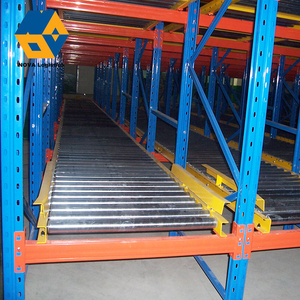
NOVA Cold Room Heavy Duty Steel Rack Logistics Equipment Warehouse Gravity Pallet Flow Racking
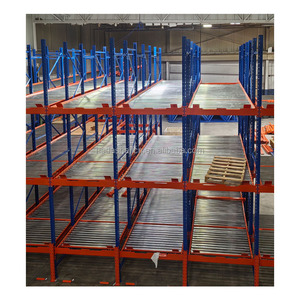
Gravity Flow Racking System Warehouse Shelves Heavy Goods Pallet Storage Rack Shelving Metal Shelf Rack Industrial Storage Racks
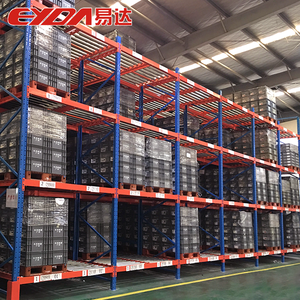
5 Layer Metal Pallet Flow Rack Gravity Storage Racks Heavy Duty Multi-Level Warehouse Industrial Cargo Storage Equipment
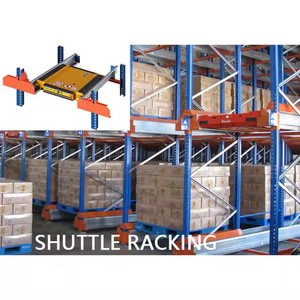
High-Density Automatic Four Way Shuttle Rack Radio Shuttle Rack System With Shuttle System
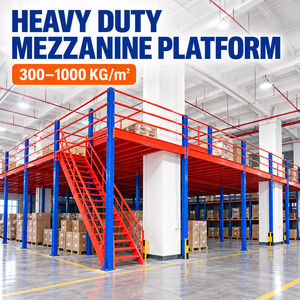
Heavy Duty Warehouse Mezzanine Floor Platform with Pallet Racking For Storage Expansion
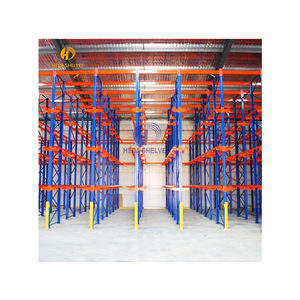
High-Capacity Drive-In Pallet Racking Storage System Drive-Thru Rack for LIFO Pallet Organization Drive in Racking Steel Units
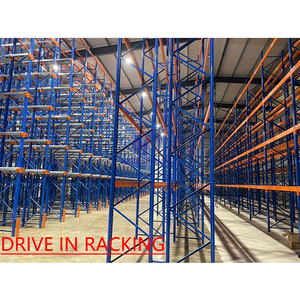
Assemble Warehouse Racking Supply Heavy Duty Adjustable Shelf System Customized Metal High Bay Drive in Rack Warehouse Storage
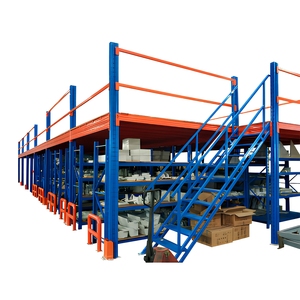
Industrial Customized Steel Structure Racks Supported Multi-tier Loft Mezzanine Floor Platform Racking
Engineering Principles & Structural Mechanics of Gravity Flow Racking
In modern industrial material handling, Gravity Flow Pallet Racking Systems (also referred to as Pallet Flow Systems) represent the pinnacle of dynamic high-density storage technology. By utilizing inclined wheel or roller tracks configured on a subtle downward slope (typically between 3.5% to 4.5% gradient), these systems convert potential kinetic gravity energy into controlled linear movement. Pallets are loaded from the higher charging aisle (rear face) and glide smoothly down to the lower discharging aisle (front picking face) under self-propelled gravitational momentum.
This dynamic mechanism ensures flawless First-In, First-Out (FIFO) stock rotation, making gravity pallet flow racking an indispensable structural solution for fast-moving consumer goods (FMCG), pharmaceutical logistics, food and beverage processing, and cold-storage distribution operations where inventory expiration dates and batch control are paramount.
Brake Roller Technology
Integrated centrifugal brake rollers dynamically regulate pallet speed between 0.2 m/s and 0.3 m/s, preventing dangerous runaway acceleration across deep lane runs regardless of pallet weight variations (ranging from 300 kg to 1,500 kg per pallet unit).
Pallet Separator Mechanisms
Specially engineered mechanical safety separators isolate the leading discharge pallet from downstream accumulation pressure. This allows forklifts to safely remove the front pallet without resistance or back-pressure binding.
High-Tensile Steel Profile
Manufactured using cold-rolled certified Q235B and Q355B structural steel grades, custom-punched at high precision to guarantee frame rigidity, seismic stability, and long-term durability under extreme static and dynamic loads.
Comprehensive Technical Specification & Engineering Matrix
Selecting the optimal gravity flow racking layout requires rigorous mathematical calculations balancing lane depth, pallet structural integrity, roller spacing, and tilt angle. Below is the structural matrix standard adhered to by direct China manufacturers:
| System Parameter | Engineering Specification | Performance Benefit |
|---|---|---|
| Incline Pitch Angle | 3.5% – 4.5% (Custom calculated based on pallet bottom structure) | Guarantees reliable self-starting slide without excessive terminal velocity. |
| Pallet Load Range | 300 kg to 1,500 kg per pallet position | Versatile application across light industrial goods to heavy beverage crates. |
| Lane Depth Capacity | 2 to 20+ Pallets deep (Deep-lane gravity storage) | Eliminates unnecessary aisles, increasing floor space efficiency up to 75%. |
| Roller Track Pitch | 50mm, 75mm, or 100mm center-to-center distance | Ensures at least 3-4 rollers are in constant contact with pallet runners. |
| Surface Treatment | Electrostatic Epoxy Powder Coating (60-80μm) or Hot-Dip Galvanized | Exceptional corrosion resistance; ideal for ambient and sub-zero cold rooms (-30°C). |
| Structural Compliance | FEM 10.2.02, ISO 9001:2015, CE Certification, ANSI MH16.1 | Full international safety compliance for global tender bidding and audit approval. |
Gravity Flow Racking vs. Alternative High-Density Systems
Evaluate warehouse utilization metrics to make informed operational capital expenditure (CapEx) decisions.
Gravity Flow Racking
Rotation: Strict FIFO
- Floor Space Usage: Up to 85% volumetric utilization.
- Forklift Travel: Minimal; operators stay in loading/unloading perimeter aisles.
- Best Used For: Perishables, high-turnover SKUs, date-sensitive inventory.
Drive-In Pallet Racking
Rotation: LIFO (Last-In, First-Out)
- Floor Space Usage: ~65% volumetric utilization.
- Forklift Travel: High risk; trucks drive directly into steel rack lanes.
- Best Used For: Bulk non-perishable goods with identical SKUs.
Radio Shuttle Racking
Rotation: Flexible FIFO / LIFO
- Floor Space Usage: Up to 90% volumetric utilization.
- Automation Level: Semi-automated robotic cart movement inside lanes.
- Best Used For: Ultra-deep lane cold storage with high CapEx budget.
Future Procurement Trends in Gravity Flow Storage Solutions (2025–2030)
1. Cold-Chain Optimization & Energy Resiliency
With global cold-chain logistics expanding rapidly to satisfy fresh food and pharmaceutical demand, thermal facility operational costs have skyrocketed. Gravity flow pallet racking requires zero electricity to drive pallets down storage lanes. Overseas buyers are increasingly replacing energy-intensive motorized conveyors with passive gravity flow lanes in refrigerated and deep-freeze warehouses (-25°C to -30°C). This zero-carbon kinetic movement reduces cold storage energy consumption per pallet position by up to 40%.
2. AGV & AMR Robotic Docking Compatibility
The modern automated warehouse relies heavily on Autonomous Mobile Robots (AMRs) and Automated Guided Vehicle (AGV) forklifts. Future gravity flow systems manufactured in China are engineered with laser-guided alignment funnels and precision-controlled entry frames. This allows AGVs to drop off and retrieve pallets at gravity flow charging faces with millimeter accuracy, bridging the gap between passive storage structures and smart Industry 4.0 automation.
3. Smart Sensor Integrated Brake Rollers
Next-generation gravity racking systems are integrating micro-sensor technology inside centrifugal speed controllers. These IoT-enabled rollers transmit real-time telemetry regarding pallet speed, lane pressure accumulation, and thermal metrics directly to Warehouse Management Systems (WMS). This predictive maintenance capability alerts facility managers to damaged pallets or friction anomalies before jams occur.
4. High-Tensile Light-Gauge Steel Profiles
Advancements in cold-roll steel metallurgy allow Chinese manufacturers to utilize micro-alloyed high-tensile steels (such as Q355B and Q460). These profiles achieve identical or superior beam loading capacity while reducing overall rack steel weight. The resulting structural efficiency lowers international container shipping freight costs per unit position while maintaining compliance with international seismic design codes.
China OEM Manufacturing Excellence & Enterprise Advantages
Over 15 years of dedicated steel racking manufacturing, delivering structural reliability and direct factory pricing to global warehouse projects.
8,000 m² Manufacturing Plant
Equipped with 35 sets of continuous roll-forming machines, automatic robotic welding arms, and automated Swiss-Gema electrostatic powder coating production lines.
75+ Engineering Professionals
Our experienced structural engineering team provides free custom 2D CAD layout designs and 3D BIM structural drawings tailored to your exact warehouse ceiling heights.
Stringent Quality Assurance (QA)
Raw steel coil verification, ultrasonic weld inspection, paint film thickness testing, and live load dynamic testing before every sea export container loading.
Free Sample & Fast Lead Times
We offer free physical component samples (upright sections, beam connectors, roller tracks). Standard orders are manufactured and containerized within 15 to 20 days.
Direct Factory Cost Advantage
By eliminating middleman trading markups, wholesale procurement direct from our Guangdong factory lowers your capital investment while maintaining top tier quality steel specs.
Complete OEM/ODM Customization
Custom beam profiles, column pitch spacing, specialized colors (RAL color matching), private brand labeling, and custom hardware accessories for overseas distributors.
Frequently Asked Questions (Procurement & Engineering FAQ)
Critical engineering and purchasing answers for logistics directors, warehouse operators, and system integrators.
How do I determine whether my warehouse needs Gravity Flow, Selective, or Radio Shuttle Racking?
Selection depends entirely on your SKU count, inventory turnover velocity, and rotation policy. Choose Selective Pallet Racking when you manage thousands of unique SKUs and require 100% direct access to every pallet position. Choose Drive-In Racking for low-SKU, high-volume items where LIFO (Last-In, First-Out) inventory is acceptable. Choose Gravity Flow Racking when you require extreme storage density combined with strict FIFO (First-In, First-Out) stock rotation—such as in food processing, pharmaceutical distribution, or cold storage. Choose Radio Shuttle Racking when deep-lane automated storage is desired and budget permits higher automated electronic investment.
What precise technical data is required for your factory to design a free CAD layout drawing?
To engineer an accurate structural design, our engineering team requires: (1) Warehouse building floor plan or architectural DWG file showing clear heights under roof beams, column locations, and fire sprinkler clearances; (2) Pallet specifications including width, depth, overall stack height, and gross weight per pallet; (3) Pallet bottom design type (e.g., GMA 4-way entry, block pallet, Euro pallet runners); (4) Forklift specifications, specifically maximum reach lift height and clear aisle width requirements; and (5) Ambient operational temperature range (e.g., +20°C ambient room vs. -25°C cold room).
How does pallet quality and runner orientation affect gravity flow racking functionality?
Pallet structural integrity is critical in gravity flow systems. High-quality wooden, plastic, or metal pallets with smooth, continuous bottom runners roll effortlessly down inclined lanes. Broken boards, protruding nails, or sagging plastic pallets can cause friction hang-ups or lane blockages. Additionally, pallets should be loaded with their bottom runners perpendicular to the roller axes. If pallets have irregular bases, full-width steel rollers or specialized triple-track skate wheels are engineered into the racking system to ensure consistent surface contact.
How are speed controllers and safety brake rollers calculated for deep-lane runs?
Our engineers calculate brake roller density based on slope gradient, pallet mass, and total lane depth. As a standard engineering rule, one indirect centrifugal brake roller is positioned every 1 to 1.5 pallet positions along the flow track. For heavier loads (e.g., 1,200 kg to 1,500 kg), heavy-duty direct-friction brake rollers are used to ensure the kinetic speed of sliding pallets never exceeds 0.3 meters per second, safeguarding structural impact faces and picking operators.
Can Zenithrack customize storage racks under OEM/ODM terms for local engineering contractors?
Yes. As a direct China manufacturer, over 60% of our production volume is customized for international rack distributors, material handling integrators, and engineering contractors. We support complete white-label OEM branding, custom color powder coating (RAL system), specialized steel gauge profiles, customized punching hole patterns (such as teardrop, 75mm pitch, or 50mm pitch), and custom-branded export packaging.
What is the standard order lead time and international shipping packaging standard?
Standard project manufacturing lead time is 15 to 20 days upon receipt of confirmed CAD engineering approval. All upright frames, box beams, and gravity roller channels are bundled using steel banding, plastic wrapping film, and protective wooden corrugated corner pads to eliminate transit friction damage during ocean freight. High-precision mechanical components like brake rollers and pallet separators are securely packed in heavy-duty reinforced wooden export cases.
Optimize Your Warehouse Storage Density Today
Contact our senior logistics application engineers for a detailed technical consultation, accurate project pricing, and a free 2D/3D CAD warehouse layout design.